When we first wrote about META account structure, we described a funnel-based approach: top-of-funnel awareness campaigns, mid-funnel social proof, and bottom-funnel retargeting, with at least one Advantage+ Shopping campaign in the mix. We were admittedly a little skeptical of Advantage+ back then. Early results were mediocre, and it took time for the learnings to compound.
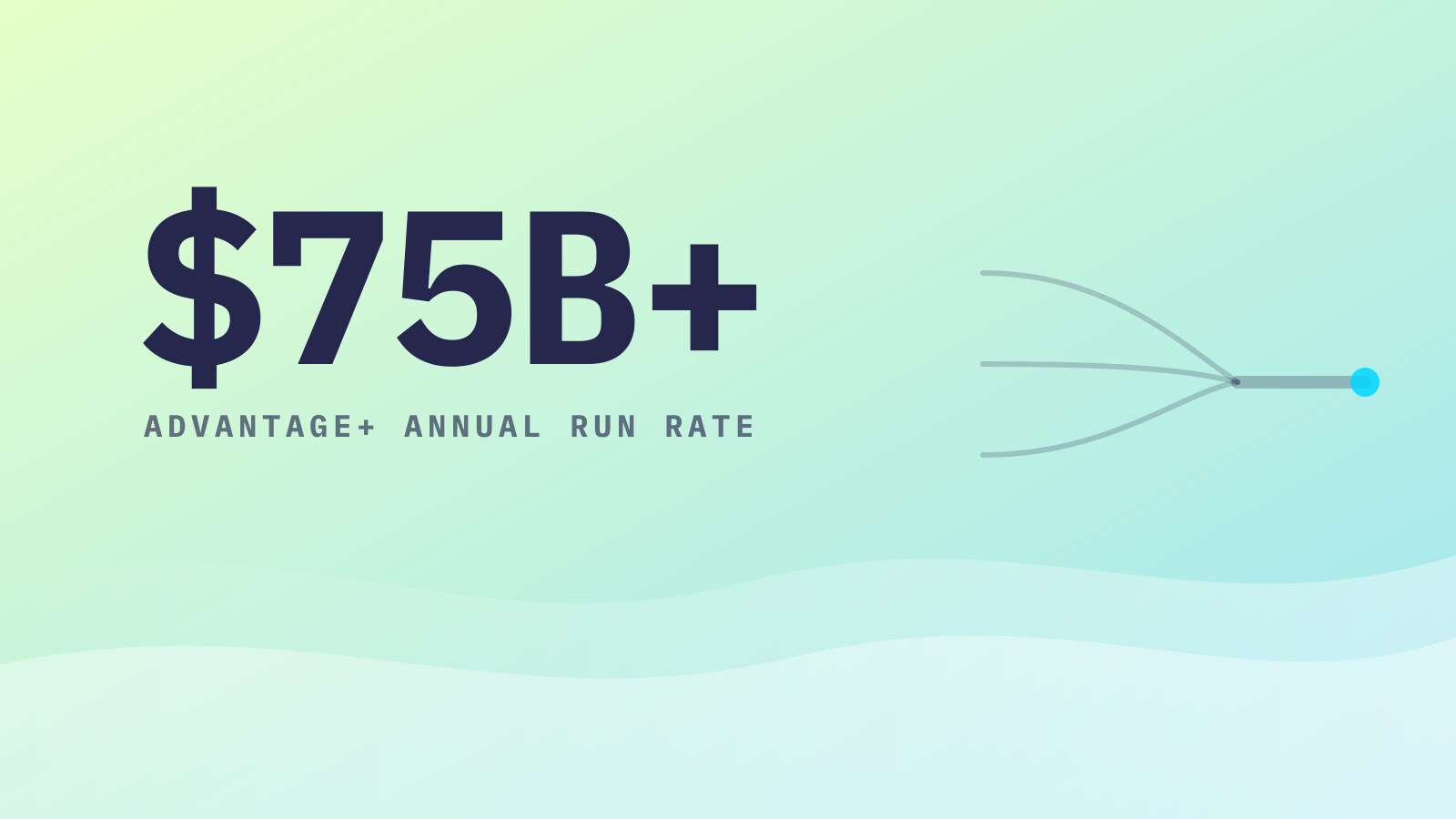
That era is over. Advantage+ now has an annual revenue run rate of more than $75 billion, per Meta’s Q2 2026 earnings, and Meta reportedly aims to fully automate ad creation, from creative to targeting, by the end of 2026. Advantage+ is no longer a campaign type you add to your structure. Increasingly, it is the structure.
So what does a well-organized Meta account look like when the machine does the targeting? That is what this post covers.
What Actually Changed
Meta has been steadily collapsing the levers media buyers used to pull. Detailed interest targeting has given way to broad audiences. Manual placements have given way to automatic placements. Campaign-level budget optimization, automated creative selection, and AI-generated ad variations are all defaults now.
The old structure, with its stacked interest-based ad sets and hand-built audience segments, is not just outdated. It actively fights the algorithm. Fragmenting your conversion data across a dozen narrow ad sets starves each one of the signal it needs to learn.
The job of account structure in 2026 is different: consolidate signal, control creative, and protect the boundaries the algorithm will not protect for you.
The 2026 Meta Account Structure We Use
Our current baseline structure for ecommerce accounts has gotten dramatically simpler. Fewer campaigns, fewer ad sets, more deliberate creative.
1. Advantage+ Sales as the Core Engine
One Advantage+ Sales campaign typically carries the majority of prospecting budget. Broad by design, fed by your full product catalog and your best creative. The consolidation is the point: one campaign accumulating all the conversion signal learns faster than five campaigns splitting it.
Two settings deserve real attention here. First, the campaign’s customer lifecycle strategy, which Meta now runs as a binary choice rather than a tunable percentage: “Get conversions from all audiences” lets Advantage+ chase whoever converts easiest, retargeting included, while “Acquire new customers” narrows delivery toward people who have not bought from you before, usually at some cost to volume. Leave it on the default and Advantage+ behaves like Performance Max does with branded search: it farms your easiest conversions and reports them as growth. Second, accurate customer list uploads, which is how Meta knows who counts as existing.
Time this well ahead of Q4, when CPMs run 25 to 60 percent above the annual average and a newly scaled Advantage+ campaign needs a longer runway to relearn before Black Friday traffic hits. Our Q4 paid media planning guide walks through the month-by-month ramp.
2. A Manual Campaign for Testing and Control
We still run at least one manual campaign alongside Advantage+, for the things automation does badly: structured creative testing, launching new concepts with forced budget, and any audience you genuinely need to isolate, like a new geographic market.
The testing function matters most. Advantage+ tends to pour budget into whatever already works, which means new creative can starve before it gets a fair read. A manual testing campaign guarantees new concepts get spend, and the winners graduate into the Advantage+ engine.
3. Retention and Retargeting, Deliberately Separated
The funnel thinking from our original account structure post still applies at the bottom. We keep a dedicated campaign for existing-customer objectives: cross-sells, replenishment reminders for consumable products, and new product launches to past purchasers. Dynamic product ads remain excellent here.
Keeping this separate does two things: it protects retention messaging from being optimized away by the prospecting algorithm, and it keeps your reporting honest about what is acquisition versus what is repeat business.
Creative Is the New Targeting
Here is the mental shift that matters more than any campaign setting: when the algorithm controls delivery, creative is the only targeting you control. The concepts, angles, and formats you feed the system determine who it finds.
An ad speaking to first-time buyers with an introductory offer finds new customers. A UGC video about a niche use case finds that niche. In practice, we treat creative variety as audience strategy: different customer problems, different hooks, different formats, all live at once, so the algorithm has room to match messages to people.
This is also where the volume demands have grown. Between creative fatigue and automated variation, brands need a steady pipeline of new concepts, not a quarterly batch. Budget for it the way you budget for media.
What to Watch So Automation Does Not Fool You
Advantage+ reports its own results, and like every automated system, it takes credit generously. Three guardrails we consider mandatory:
- Set customer lifecycle strategy to acquisition and monitor existing-customer spend so acquisition numbers mean what they say.
- Track new-customer ROAS separately from blended ROAS. Blended numbers hide cannibalization.
- Validate with incrementality testing at least a couple of times a year, so budget decisions rest on real lift rather than platform attribution.
The Bottom Line
The funnel did not die. It moved inside the machine. Your job is no longer to hand-build the funnel with ad sets; it is to feed the system clean signals and strong creative, cap its lazy tendencies, and verify its claims independently.
Accounts that make that shift are seeing Advantage+ deliver on its promise. Accounts that keep fighting the automation with 2021-era structures are paying more for less every quarter.
That efficiency is a big part of why Meta is now out-earning Google in ad revenue, and why Meta deserves a fresh look in your overall media mix.
Frequently Asked Questions
Should I still run manual campaigns alongside Advantage+?
Yes, for specific jobs: structured creative testing, forcing budget to new concepts, and isolating audiences that genuinely need separation, like new geographic markets. Advantage+ carries the core prospecting budget; manual campaigns handle what automation does poorly.
How many campaigns should a Meta ads account have in 2026?
Fewer than you think. A typical ecommerce baseline is three: an Advantage+ Sales campaign as the prospecting engine, a manual campaign for testing and control, and a dedicated retention campaign for existing customers. Consolidation concentrates conversion signal and accelerates learning.
How do I stop Advantage+ from spending on existing customers?
Upload and sync your customer lists so Meta knows who has purchased, then set the campaign’s customer lifecycle strategy to “Acquire new customers” instead of leaving it on “Get conversions from all audiences.” Track new-customer ROAS separately from blended ROAS to confirm the setting is actually reducing existing-customer spend.
Not sure whether your Meta account structure is built for the Advantage+ era? Book a strategy call with the Strat88 team and we will review your structure, settings, and creative pipeline together.